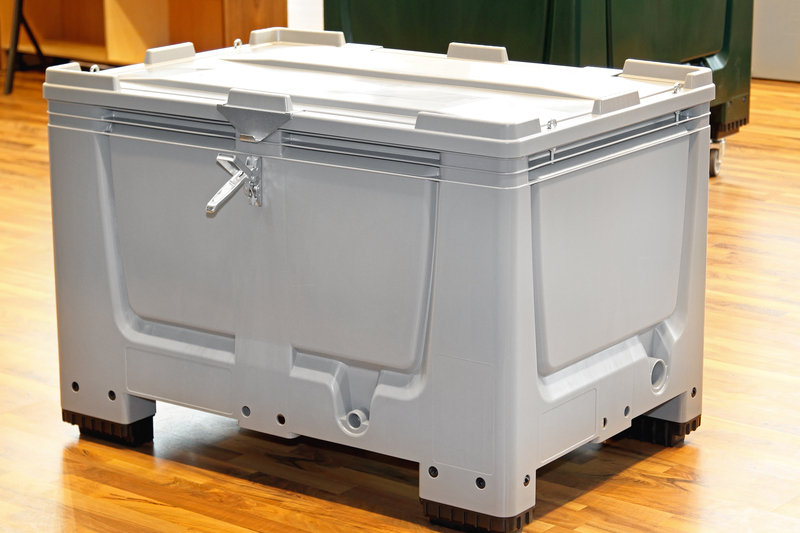
Man with van in Crystal Palace

Our man with van in Crystal Palace service is set up for straightforward local moving work, careful item transport and practical load handling across the area. It suits customers who want help shifting household belongings, single bulky pieces, trade equipment or mixed loads without booking a larger removal vehicle than they need. We focus on clear organisation, sensible packing and an orderly approach to collection and delivery, so each move is planned around the items being carried rather than a one-size-fits-all method.
The service is designed for homes, flats, studios and small businesses that need a flexible moving option. We can support collections from storage, furniture pick-up, home moves and other transport jobs where space, access and timing all matter. If you need a quotation, you can start by gathering a basic list of what needs moving and where it needs to go. Speak to us for a quote when you are ready to compare the job with the support you need.
Alongside the main moving work, it helps to think about item type, access and how the load will be arranged inside the vehicle. Sofas, wardrobes, appliances, boxes and dismantled furniture all create different handling needs, and the right arrangement can reduce wasted space and unnecessary reshuffling. If you already know which items need special care, mention them early. That makes it easier to shape the job around what is actually being moved rather than guessing afterwards.
Home moves and flat removals
Home moves often need a balance between speed and care. A well-planned van job can suit one-bedroom flats, shared homes, student lets and smaller family properties where the volume is important but a full-scale removal lorry would be excessive. We can help move furniture, boxes, personal belongings and other domestic items in a way that keeps the load orderly from start to finish. That includes keeping breakables separate from heavier pieces and placing the right items where they are easiest to unload.
For many customers, the key question is not only how much fits but how each item will be handled. Door widths, staircases, parking access and lift availability all affect the working plan. When a move includes awkward or heavy items, it is often useful to identify them in advance so the load can be arranged sensibly. For a broader view of domestic moving support, our home moves page gives a clearer picture of the type of work this service can cover.
Common domestic jobs can include several different collection patterns, depending on whether you are moving everything at once or only selected items. A useful checklist might look like this:
- single-room or partial-house moves
- furniture moved from one property to another
- boxes and bags packed for a same-day transfer
- items collected from storage or a relative’s address
- bulky household pieces that need two-person handling
Furniture collection and item transport

Not every booking is a full move. Some jobs are mainly about collecting one or two substantial items and getting them home safely without damage to the item or the property. This can include beds, tables, wardrobes, desks, chests of drawers and other furniture that is awkward to move alone. In these cases, the benefit of a van-based service is that the transport can be matched to the actual load, rather than forcing the customer to arrange more vehicle space than necessary.
Furniture transport is also useful when pieces have been bought second-hand, collected from family, or shifted after a room change. If the item needs dismantling before the move, that should be decided before collection so the job is paced correctly. Furniture pick-up support is particularly relevant when the item is large, heavy or located where access needs checking. Clear measurements and simple notes about stairs, parking or loading distance are often enough to make the process more straightforward.
Handle the furniture first, then the route. That approach helps identify whether protective wrapping, a second person or a different loading order will be useful. It is also worth separating delicate finishes from more robust pieces so scratches, rubbing and pressure points can be avoided. Where possible, keep loose fittings together with the relevant item. That way, the move stays organised and the furniture can be placed more efficiently at the destination.
Packing, unpacking and prepared loading
Packing support can make a moving day much easier to manage, especially when the load contains mixed household goods rather than just furniture. Boxes should be strong enough for their contents, and heavier items are usually better placed in smaller boxes so they remain manageable. Softer items, paperwork, kitchenware and personal belongings can all be sorted in a way that makes lifting, stacking and unloading more controlled. Good packing also helps the vehicle space be used properly.
When customers want extra help at the start or end of a move, preparation can be simplified by grouping items by room or by type. For example, books can be kept separate from kitchenware, and bedding can be kept apart from fragile items. Our packing and unpacking services page sets out the kind of support available for loads that need more structure before transport. This can be especially useful where time is limited or the move includes a mixture of breakables and heavy objects.
Useful preparation does not need to be complicated. Two practical steps often help more than anything else: label boxes clearly and keep an accessible set of essentials aside for the first day at the new property. If an item is awkward, fragile or unusually shaped, mention that when requesting your quotation so the moving plan reflects the real work involved. That makes the job more predictable for everyone involved.
House, flat and small-property removals
Our service can support removals from properties where a full-scale fleet may be unnecessary, yet the job still needs proper care and organisation. This can suit people moving out of flats, smaller houses, maisonettes or rooms in shared accommodation. The emphasis is on practical transport: loading efficiently, protecting items during transit and unloading in a sensible order when arriving at the new address. That approach works well for compact moves with mixed contents.
For customers comparing options, a van-based removal may be suitable when the job needs enough capacity for furniture and boxes but not an oversized vehicle. It can also be useful where access is tight or where parking is easier for a smaller vehicle. More details on the broader domestic offering are available through house removals, which is relevant when you want a more structured removal service rather than a simple point-to-point lift.
The service can be adapted to different load types, but the most efficient jobs are usually the ones where priorities are clear from the outset. If there are heavy items that must go first, or fragile items that need a gentler arrangement, it helps to say so. You do not need to over-explain the entire move; just provide the details that change the handling, the packing or the order of loading.
Commercial moves and office relocation support

Small business transport needs are often quite different from home moves, even when the vehicle size is similar. Desks, chairs, filing units, archive boxes, stock, screens and boxed equipment all need a practical loading plan so they arrive in usable condition. Our van service can assist with commercial moves where the priority is keeping essential items together and moving them without unnecessary disruption. That makes it a sensible option for compact offices and workspaces.
When a business is relocating, it is usually helpful to move equipment and records in a defined sequence. Items that must be kept together should be grouped before loading, and fragile technology should be protected from shifting inside the vehicle. For a more focused overview of this kind of work, see office relocation services. If the move involves fewer pieces but still needs a commercial approach, that page can help explain how the work is typically organised.
Commercial jobs benefit from clear instructions because time spent reorganising at collection or delivery can affect the flow of the move. If one area contains breakables and another contains bulkier office furniture, separating them in advance usually saves effort later. It is also sensible to note whether lifts, loading bays or restricted access points are involved, since these details influence how the vehicle is used and how the items are carried.
About Crystal Palace
Crystal Palace is a district in south London known for its hilltop position, strong local identity and a mix of residential streets, open land and busy neighbourhood centres. The area takes its name from the Crystal Palace exhibition building, originally created for the Great Exhibition of 1851 in Hyde Park and later rebuilt on Sydenham Hill. Although the building itself no longer stands, the name remains closely associated with the district’s historic development and the landscape around the park. Crystal Palace Park is one of the area’s defining features, with large open spaces, lakes, paths and the famous dinosaur sculptures that date from the 19th century. The park also reflects the site’s layered history, from exhibition grounds to public recreation space. Nearby roads and terraces show a varied pattern of London housing, including Victorian and later properties, while the higher ground offers extensive views over the capital on clearer days. The district is also known for its cultural life, local shops and the Crystal Palace Triangle, a commercial area that brings together independent businesses, food and social spaces. Transport links have long shaped the area’s development, with rail stations serving different sides of the district and making it a well-connected part of south-east London. Together, these features give Crystal Palace a distinctive character: part parkland, part urban neighbourhood and part historic landscape, with a strong sense of place that has survived many changes over time.
Access, parking and careful handling
Many moving jobs succeed or fail on the practical details rather than the distance travelled. Narrow stairways, awkward turns, lifted entrances and limited parking can all shape how the day runs. That is why it helps to think through access before the vehicle arrives. If an item needs to be carried a long way or taken through a tight space, the load plan may need to change. A sensible booking takes those factors seriously from the start.
In some cases, a customer only needs a short collection and delivery, but the route inside the property still requires extra care. Heavy items should be separated from delicate ones, and boxes should be stacked in a way that avoids crushing contents. Our moving van service is relevant where the vehicle itself is part of the solution and the booking needs to balance load size with safe handling. That keeps the emphasis on suitability rather than simply choosing the biggest available option.
If you are preparing details for a quotation, useful points include the number of floors, whether there is a lift, and whether items can be parked close to the entrance. Short, accurate notes are usually better than a long explanation. They help identify whether the job is a simple carry, a careful furniture move or something that needs more time on loading and positioning.
Choosing the right moving arrangement

Different loads call for different levels of support. Some customers want only transport, while others need help with loading, unloading or handling a mixed household load. A van-based service is often chosen because it sits between a small courier-style job and a full removal operation. That makes it a practical option where the move is more substantial than a parcel delivery but does not require a large specialist fleet.
The main decision is usually about scope. If you are moving a few bulky items, a simpler arrangement may be enough. If you are shifting the contents of a flat or multiple rooms, the work needs a more ordered plan. Our removal services page is useful when you want to look at the broader range of transport support available, especially where the job includes several linked tasks rather than just one collection.
A sensible way to choose is to compare the load with the access, then match the service to both. A small load with easy access may only need a straightforward lift, while a larger domestic move may need more time and care. The right arrangement is usually the one that avoids overcomplication without leaving important tasks uncovered.
Pricing factors and quotation details
When customers ask for a quotation, the most useful information is usually the most practical. The quantity of items, the type of furniture, collection and delivery points, and any access issues all matter. Extra time may be needed if items must be dismantled, carried far from the vehicle, or moved carefully through tight spaces. These factors shape the scope of the job, so they are more helpful than vague estimates based on room count alone.
If the move includes several distinct parts, it can help to separate them before asking for a price. For example, a load might include furniture, boxes, and one or two fragile items that need extra attention. Our pricing and quotes page is the best place to look when you want the commercial side of the service in more detail. It keeps the focus on how a quotation is built around the work rather than on assumptions.
Need a quotation? Share the basic load details, access notes and destination information, then ask for the service to be matched to your move. Clear information leads to a clearer quote. If you are comparing dates or trying to arrange the move around other commitments, a concise enquiry is usually enough to start the process.
Bookings, preparation and the final stage of the move

Once the move is planned, the final stage is mostly about keeping the sequence tidy. Items that need to be unloaded first should be loaded last, and anything fragile should be placed where it is less likely to shift. This is particularly useful for mixed household moves, collected furniture or jobs that combine boxes with heavy pieces. A steady loading order reduces the need to re-handle items later and helps the delivery run more smoothly.
Two simple preparation steps often improve the job: keep pathways clear where possible, and separate anything that must travel with you rather than in the vehicle. If you have dismantled furniture, put the fittings together in one labelled bag so nothing goes missing. Our contact us page is the right place to send the key details when you are ready to move from planning to booking. That final step should be straightforward if the load, access and destination are all clearly described.
For a practical moving arrangement in Crystal Palace, a van-based service can be a good fit when you want flexibility, care and a sensible use of space. Whether the job involves a single item, a small home move or a compact commercial move, the aim is the same: transport the load in an organised way and keep the process manageable. Request your quotation when you are ready.